0
Skip to Content
ASHISH CHANDRA
Home
Land Beneath Our Feet
Weave and Dye
Along the Ghats
About / Contact
ASHISH CHANDRA
Home
Land Beneath Our Feet
Weave and Dye
Along the Ghats
About / Contact
Home
Folder: Projects
Back
Land Beneath Our Feet
Weave and Dye
Along the Ghats
About / Contact
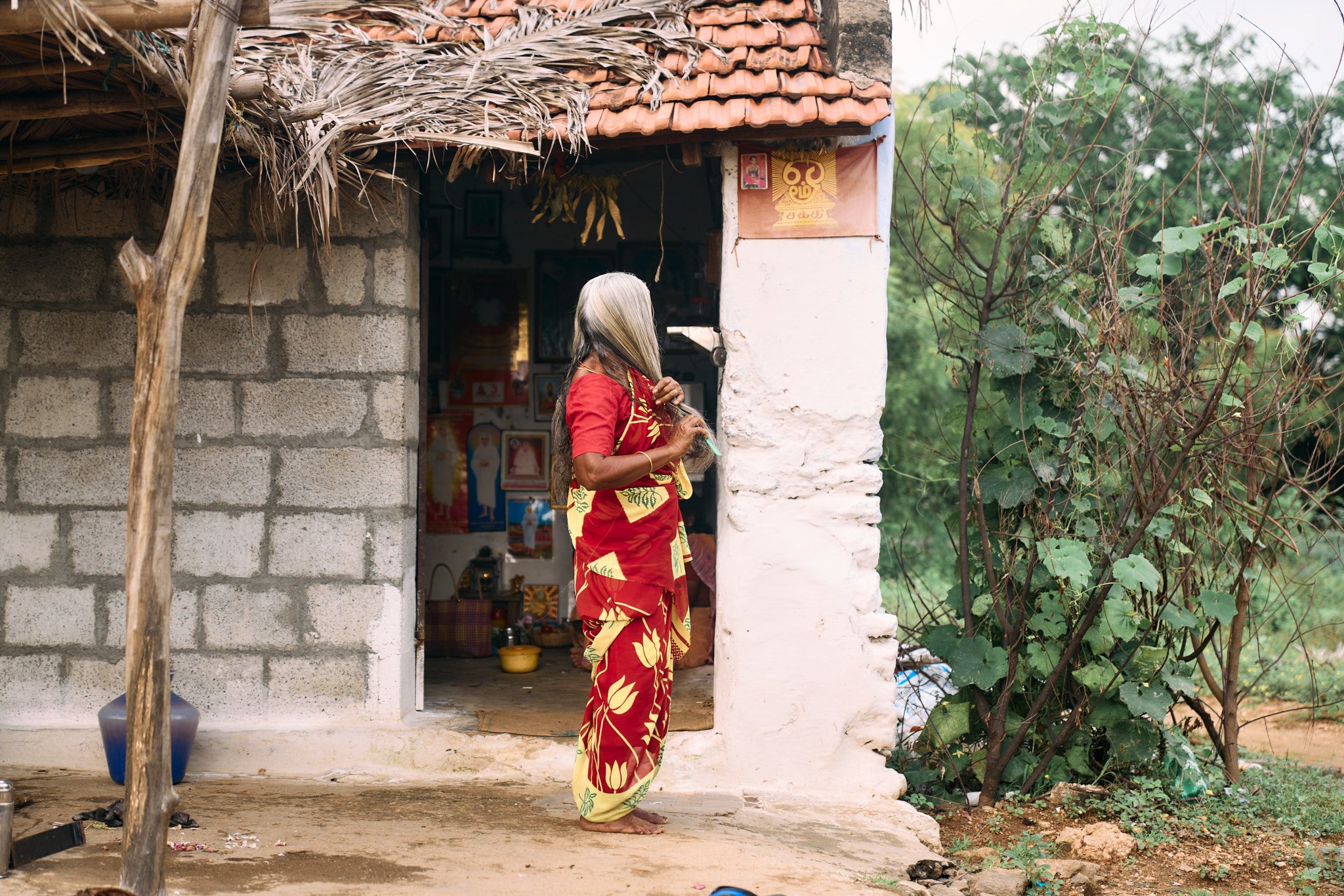
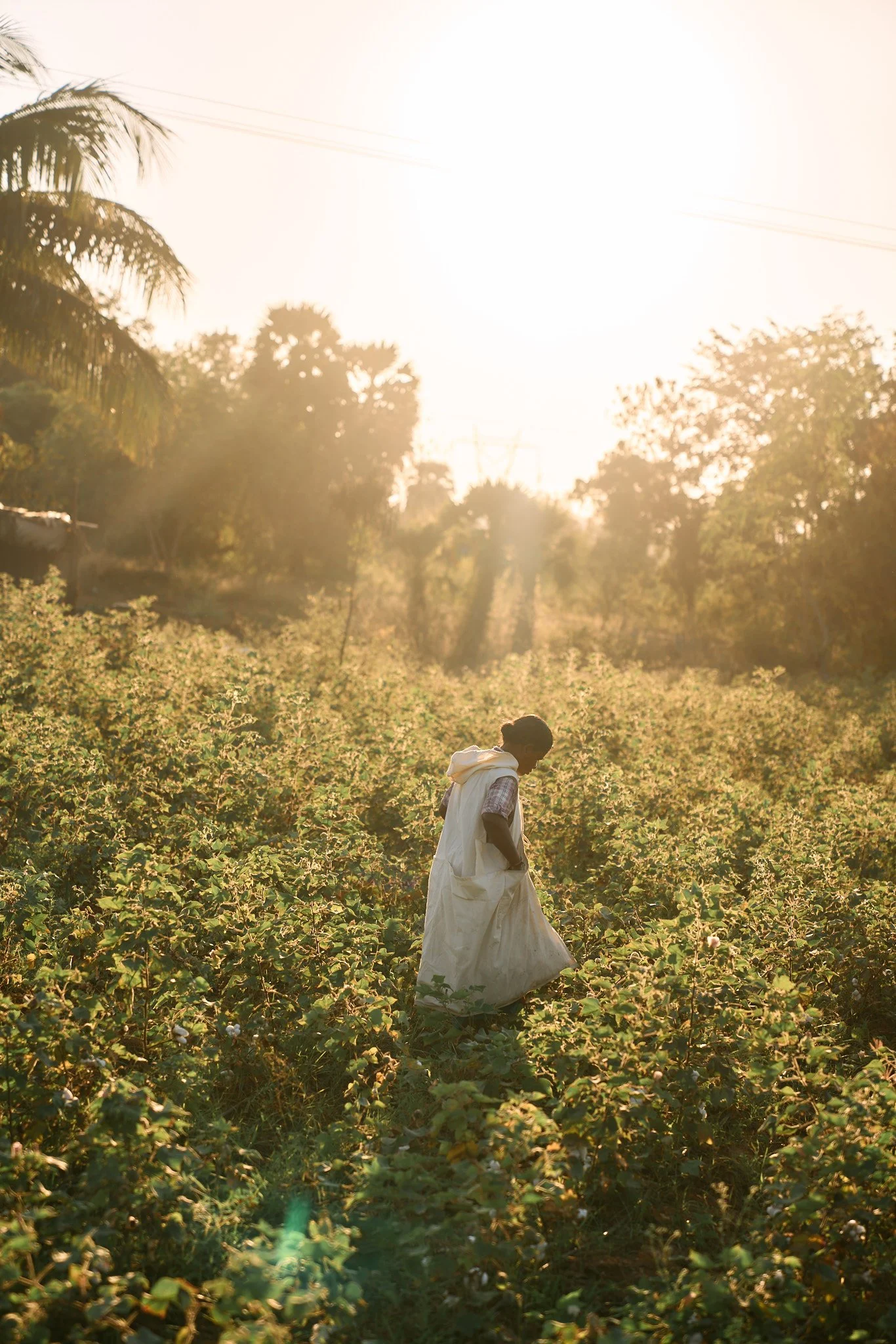
Eshwari, a cotton farmer based in Erode, Tamil Nadu is  getting ready to begin her day at the field.

Eshwari, a cotton farmer based in Erode, Tamil Nadu is getting ready to begin her day at the field.
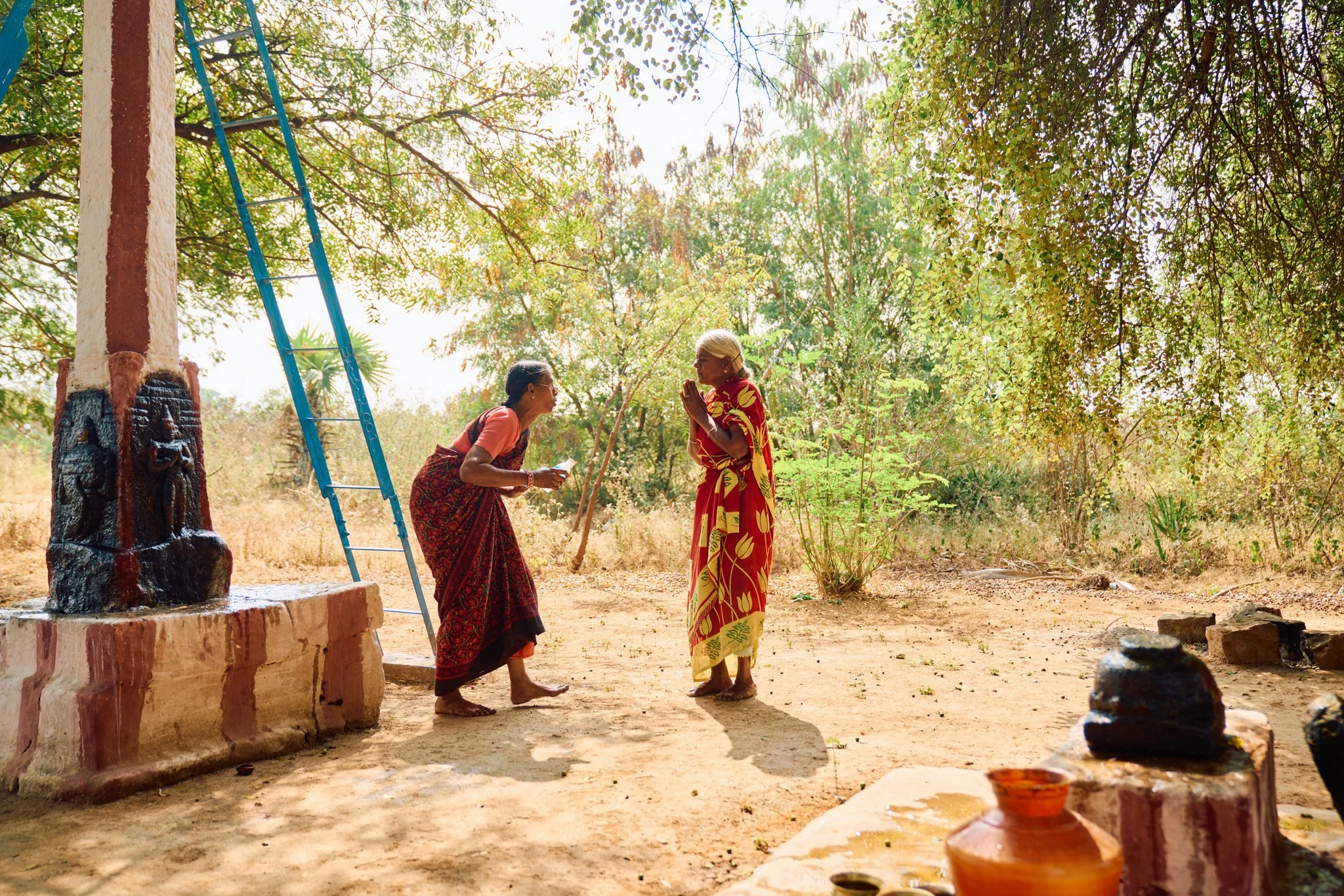
Morning prayers at the temple alongside the cotton field.
Morning prayers at the temple alongside the cotton field.

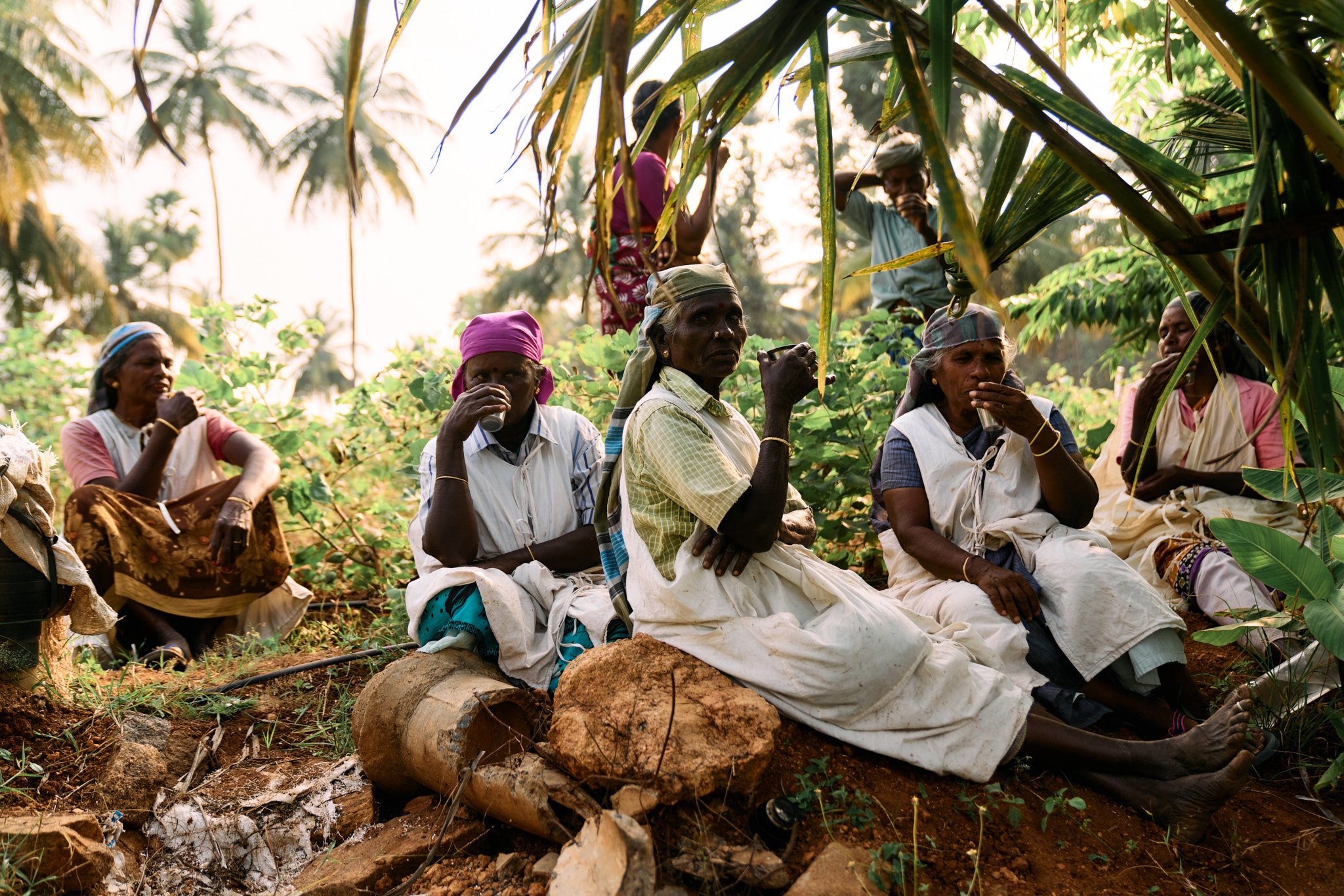
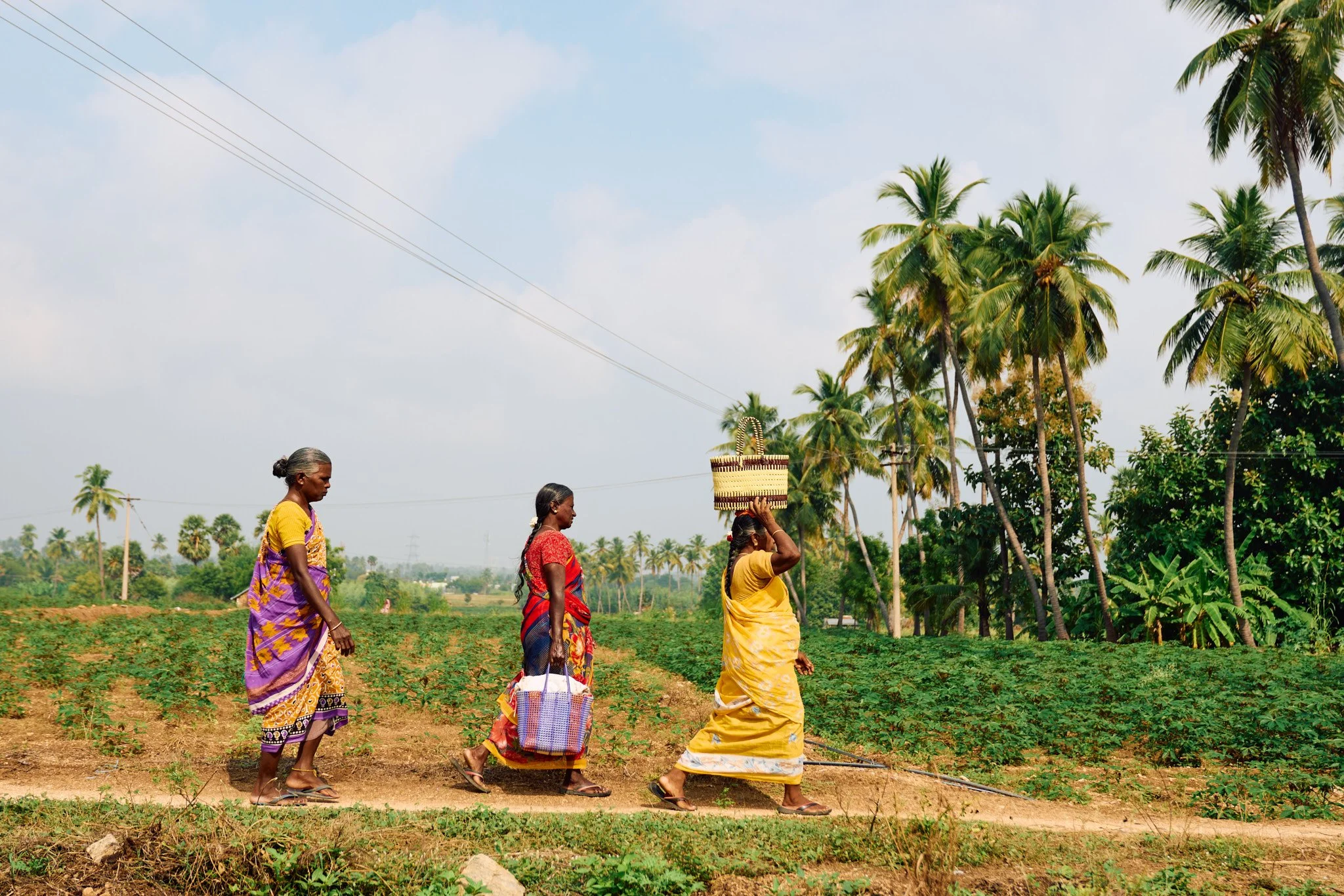
Women farmers carrying their lunch and water to the cotton fields.
Women farmers carrying their lunch and water to the cotton fields.

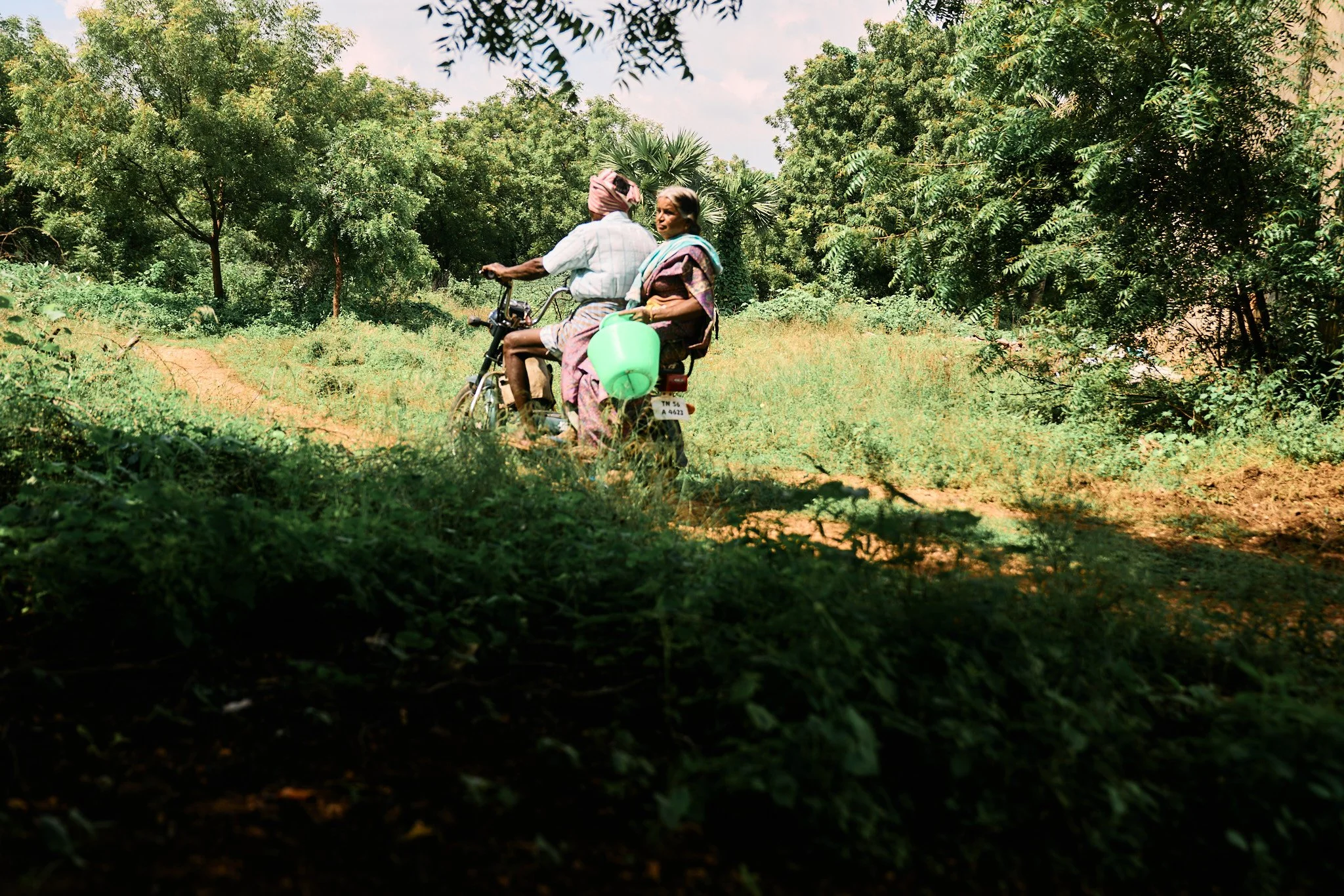
On the way to the cotton field. In India, chronic debt and crop failure have contributed to an epidemic, with roughly 48 farmer suicides per day recorded between 1995 and 2018.
On the way to the cotton field. In India, chronic debt and crop failure have contributed to an epidemic, with roughly 48 farmer suicides per day recorded between 1995 and 2018.

Unlike machine harvesting, which strips the entire plant, organic cotton is often hand-picked. This allows workers to selectively harvest only mature, open bolls while leaving unopened ones to ripen, resulting in higher-quality, longer fibers that ar

Unlike machine harvesting, which strips the entire plant, organic cotton is often hand-picked. This allows workers to selectively harvest only mature, open bolls while leaving unopened ones to ripen, resulting in higher-quality, longer fibers that are softer and more durable.
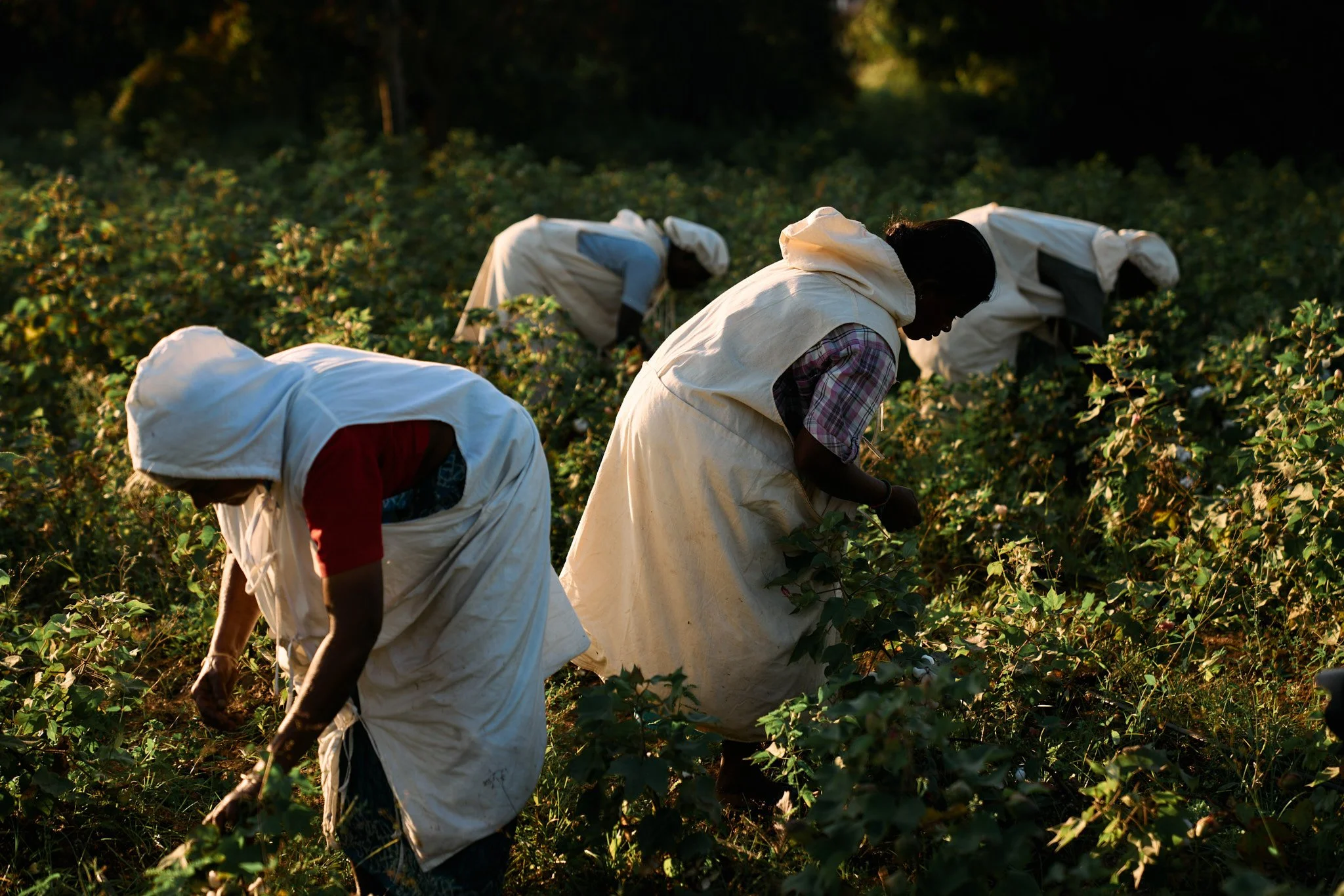
Cotton picking is overwhelmingly performed by women, who comprise approximately 90% of the picking workforce in India.
Cotton picking is overwhelmingly performed by women, who comprise approximately 90% of the picking workforce in India.

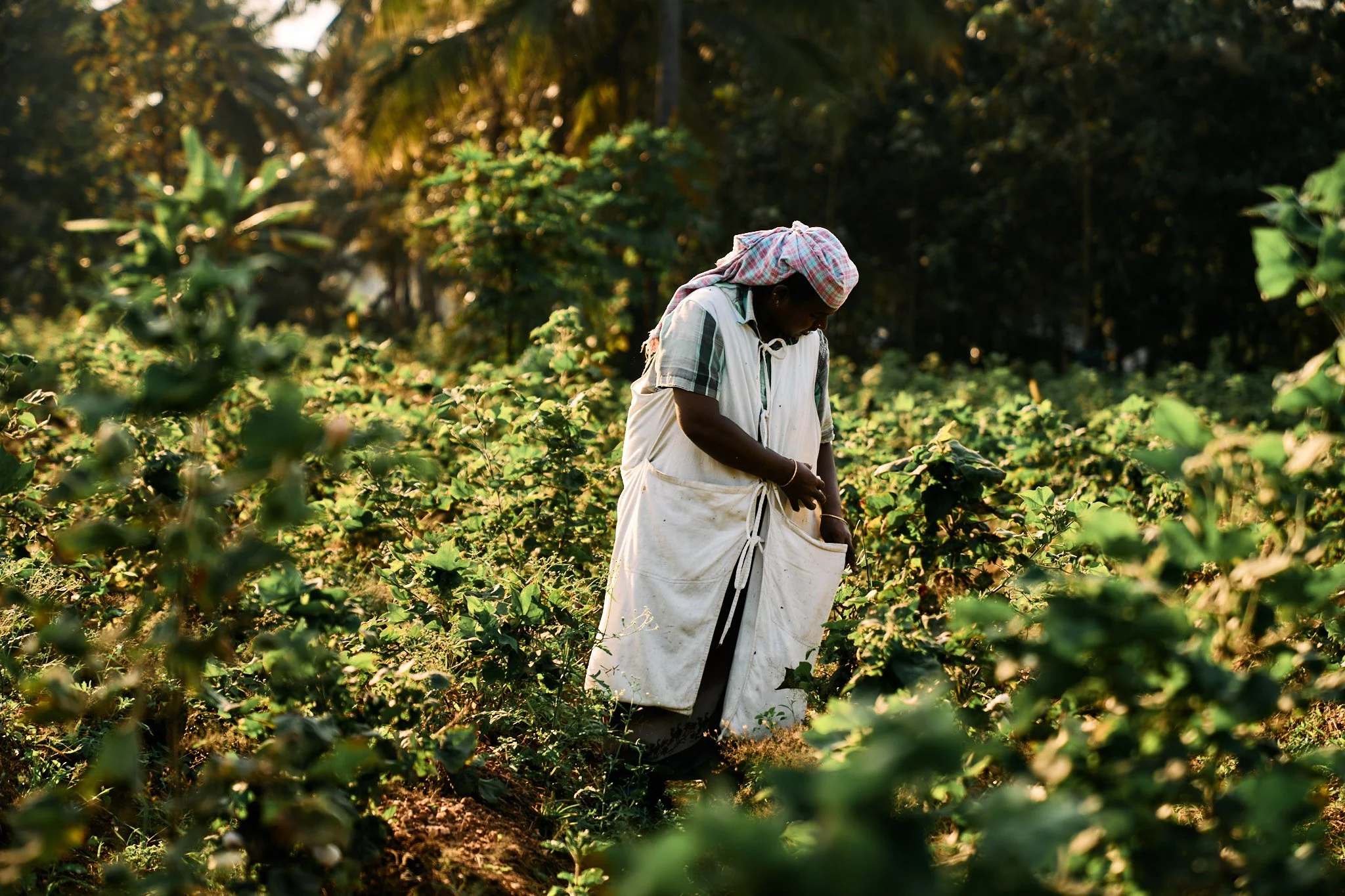
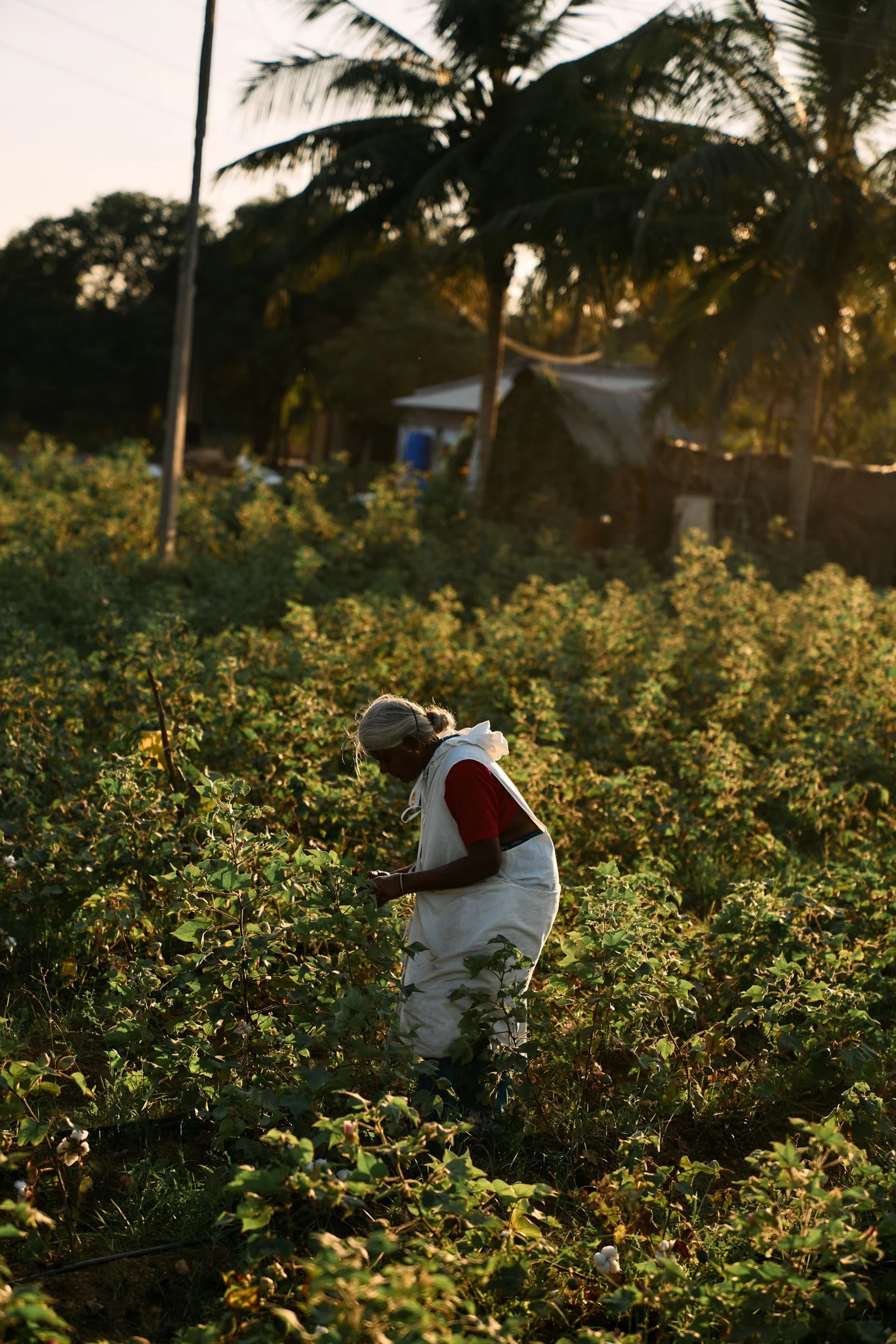
Eshwari picking cotton at the field. Hand-picking keeps fibers intact and minimises "trash" (plant debris) in the harvest.
Eshwari picking cotton at the field. Hand-picking keeps fibers intact and minimises "trash" (plant debris) in the harvest.

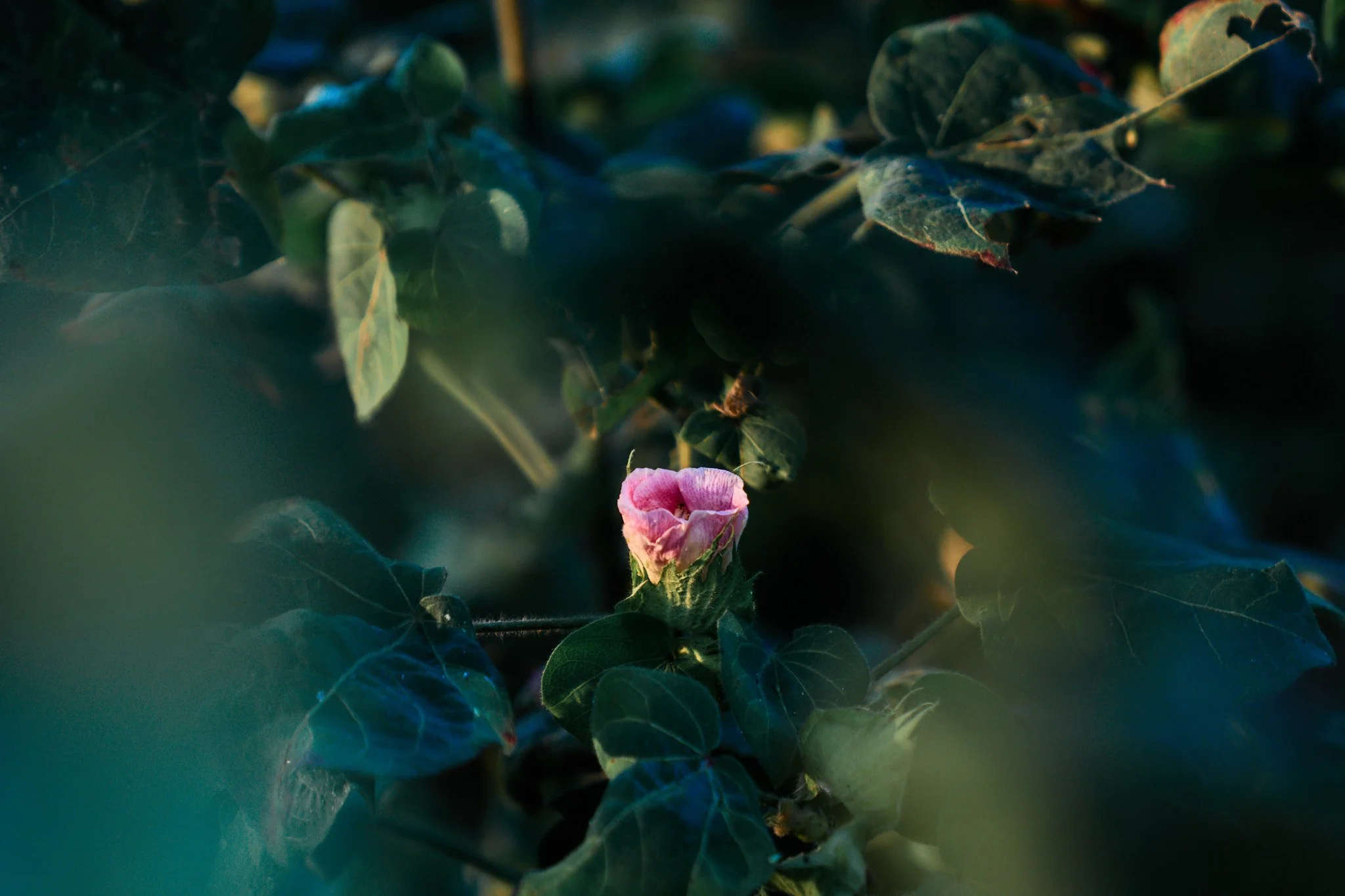
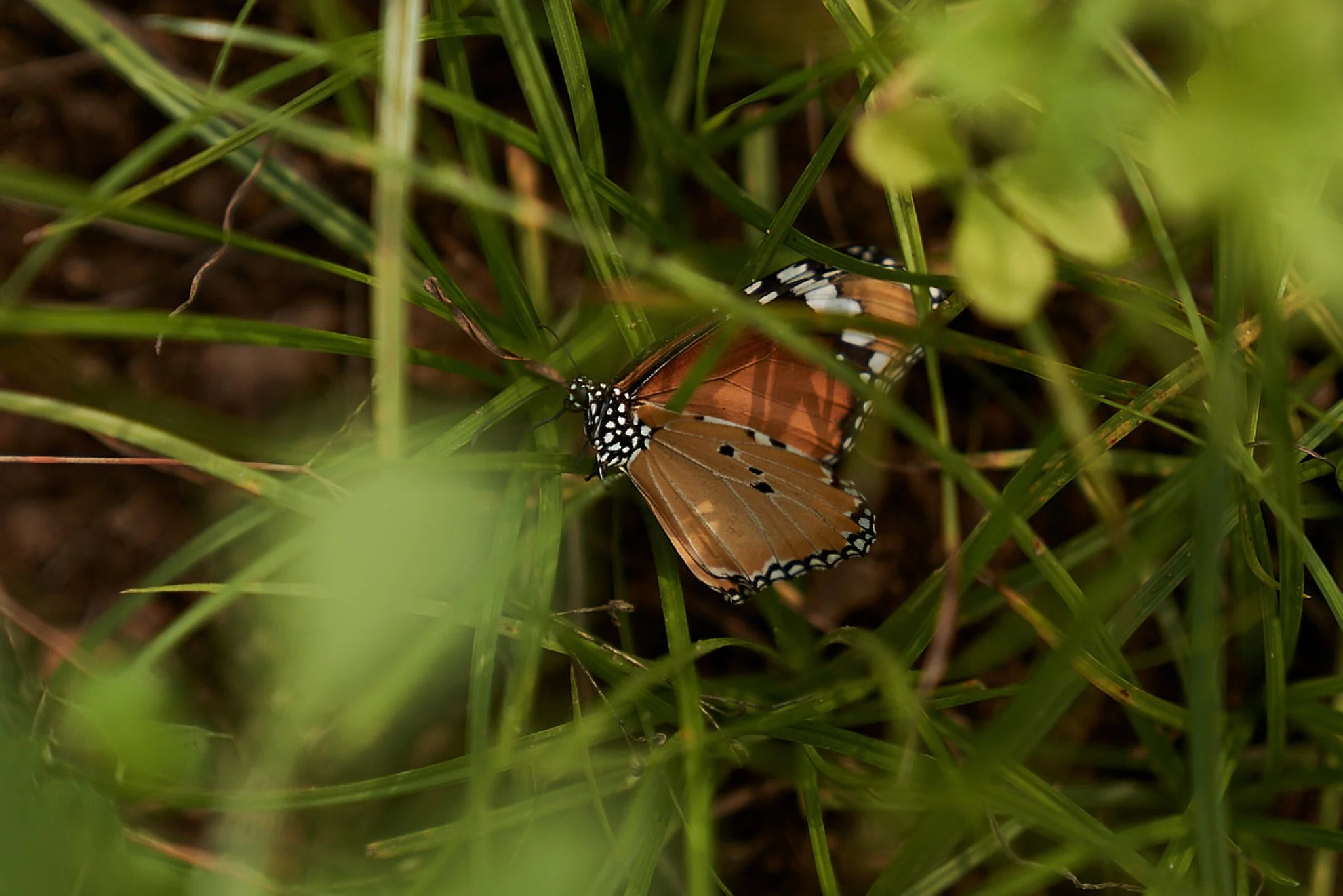
Organic cotton farming creates a sanctuary for insects and butterflies by replacing "chemical warfare" with a balanced, living ecosystem. While conventional cotton covers only 2.5% of the world's land, it consumes 16% of all global insecticides, whic

Organic cotton farming creates a sanctuary for insects and butterflies by replacing "chemical warfare" with a balanced, living ecosystem. While conventional cotton covers only 2.5% of the world's land, it consumes 16% of all global insecticides, which indiscriminately kill pollinators and beneficial bugs.
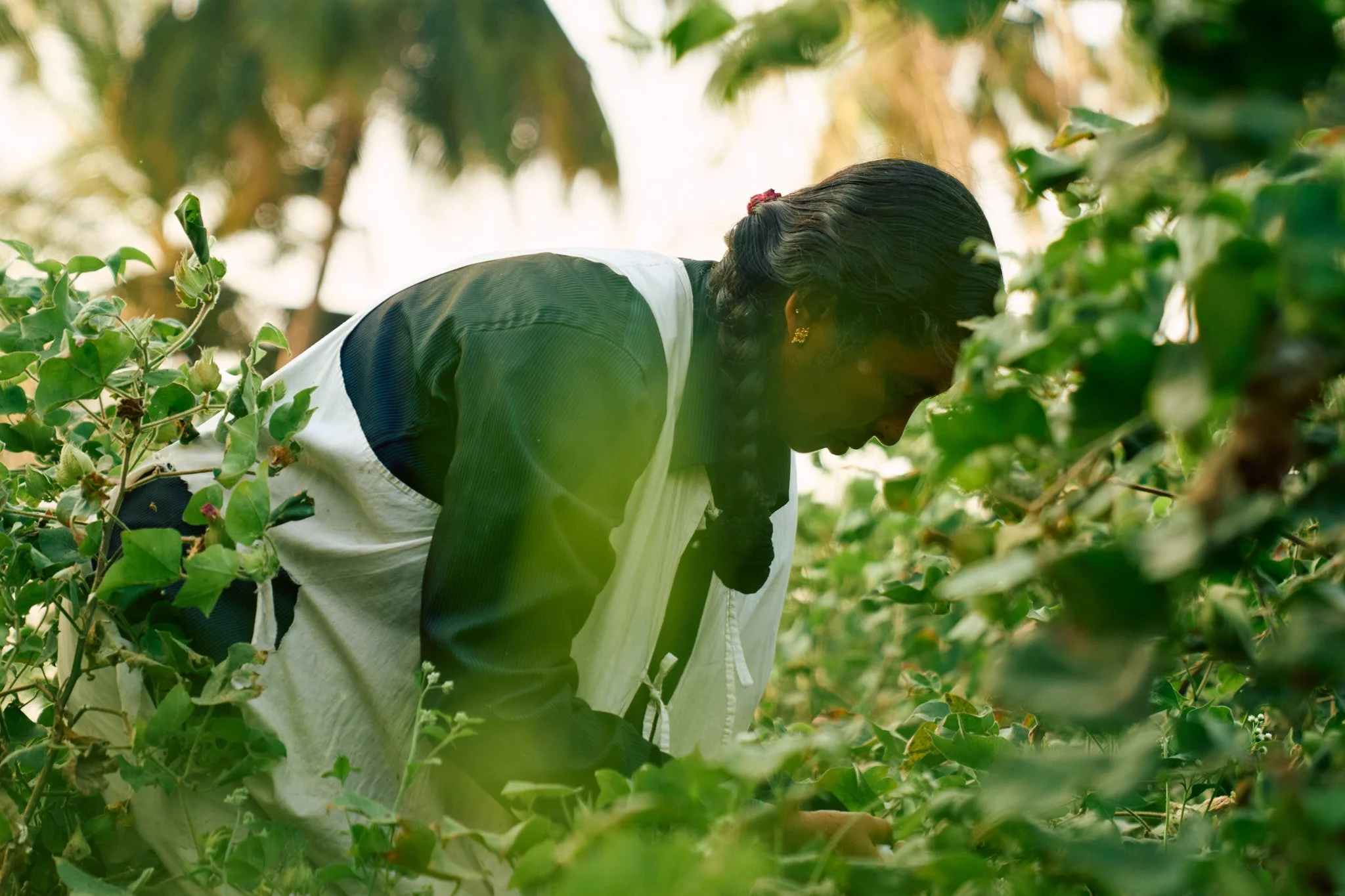
 Food and Agriculture Organization of the United Nations reports that women in cotton face disproportionate barriers in access to land, inputs, finance, training, services, and decision-making, which limits how much they benefit from the value chain

Food and Agriculture Organization of the United Nations reports that women in cotton face disproportionate barriers in access to land, inputs, finance, training, services, and decision-making, which limits how much they benefit from the value chain even when they do a large share of the work.
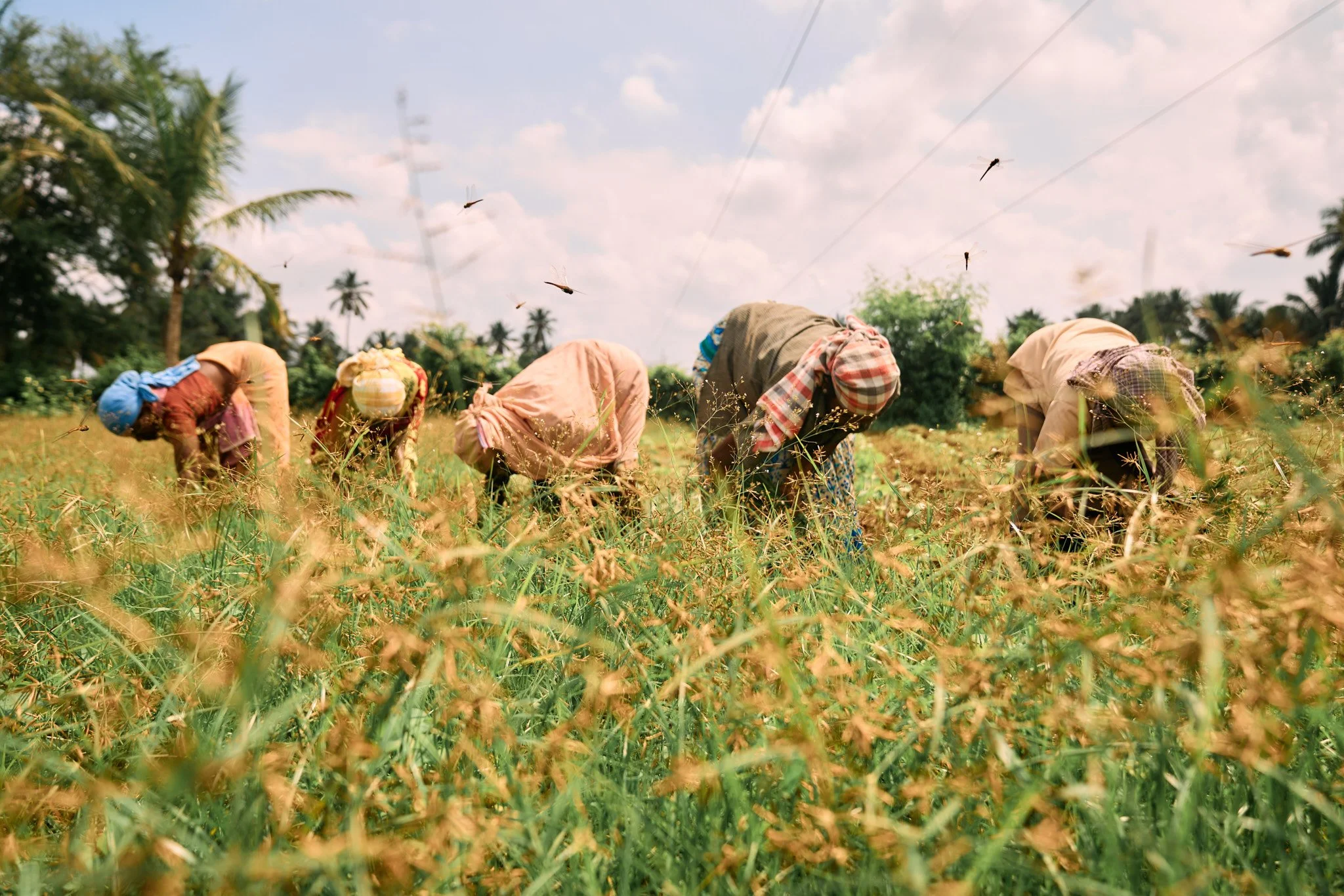
Organic cotton farming manages weeds through a combination of cultural and mechanical methods, relying on cover crops, crop rotation, and cultivation rather than synthetic herbicides.
Organic cotton farming manages weeds through a combination of cultural and mechanical methods, relying on cover crops, crop rotation, and cultivation rather than synthetic herbicides.

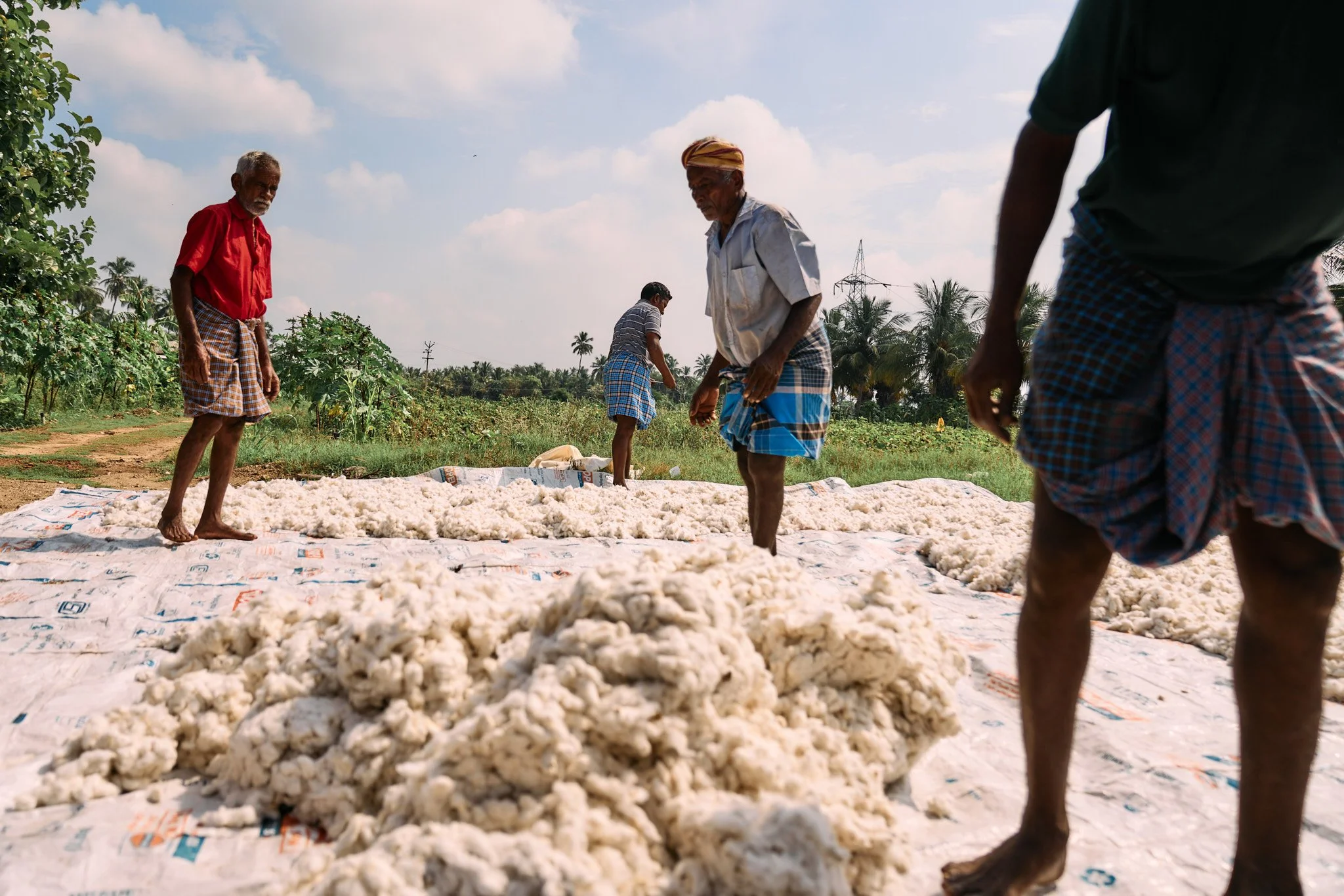
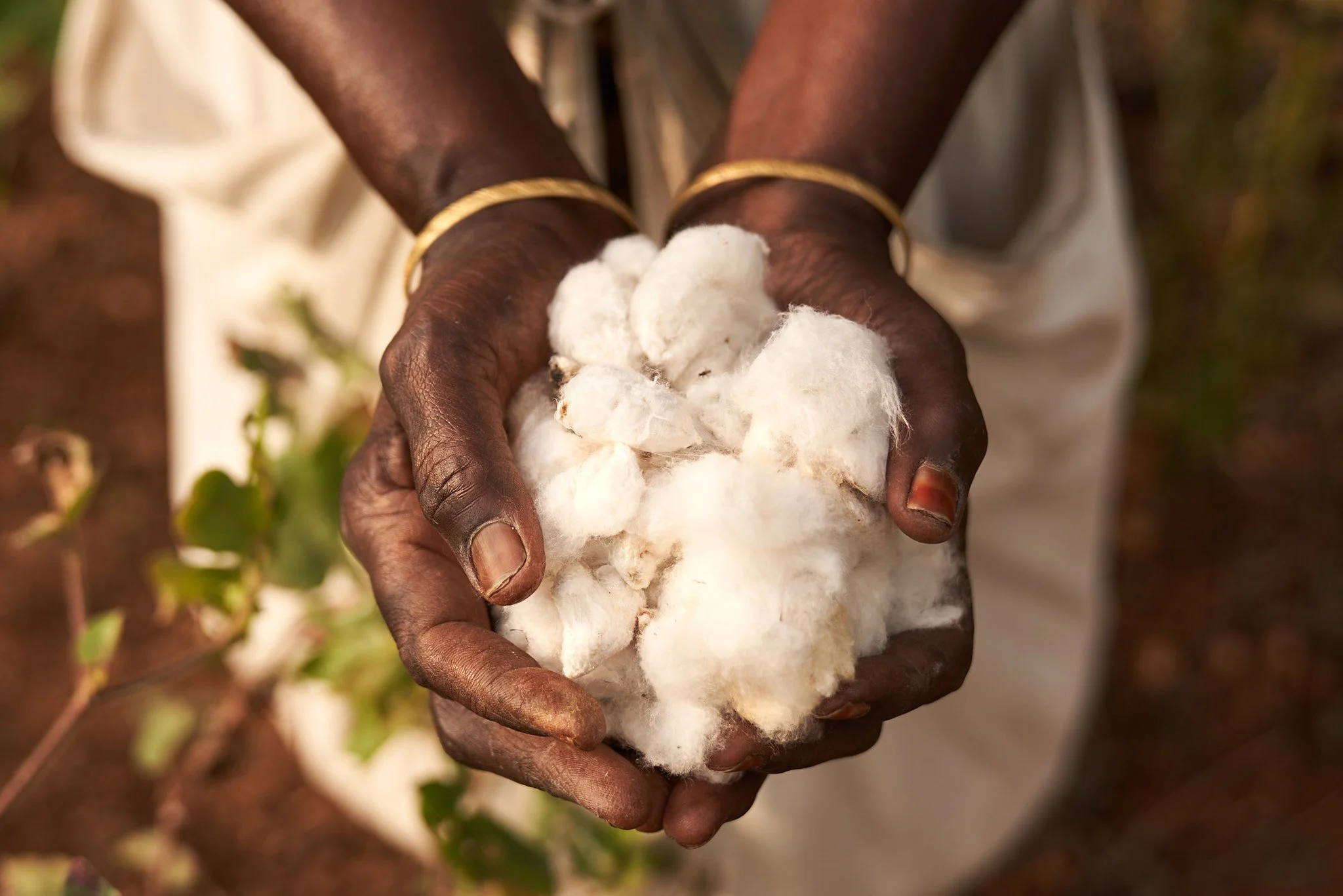
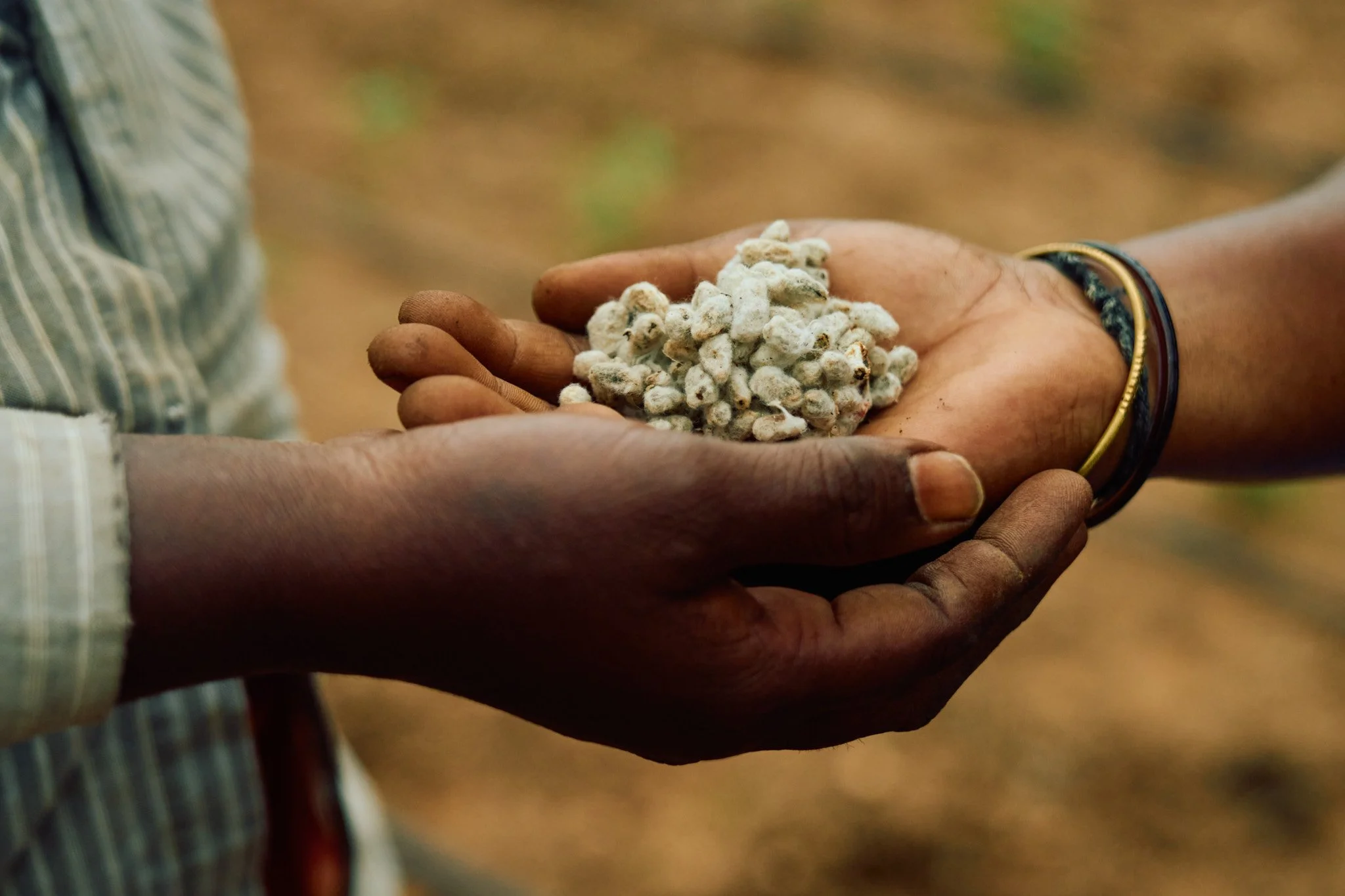
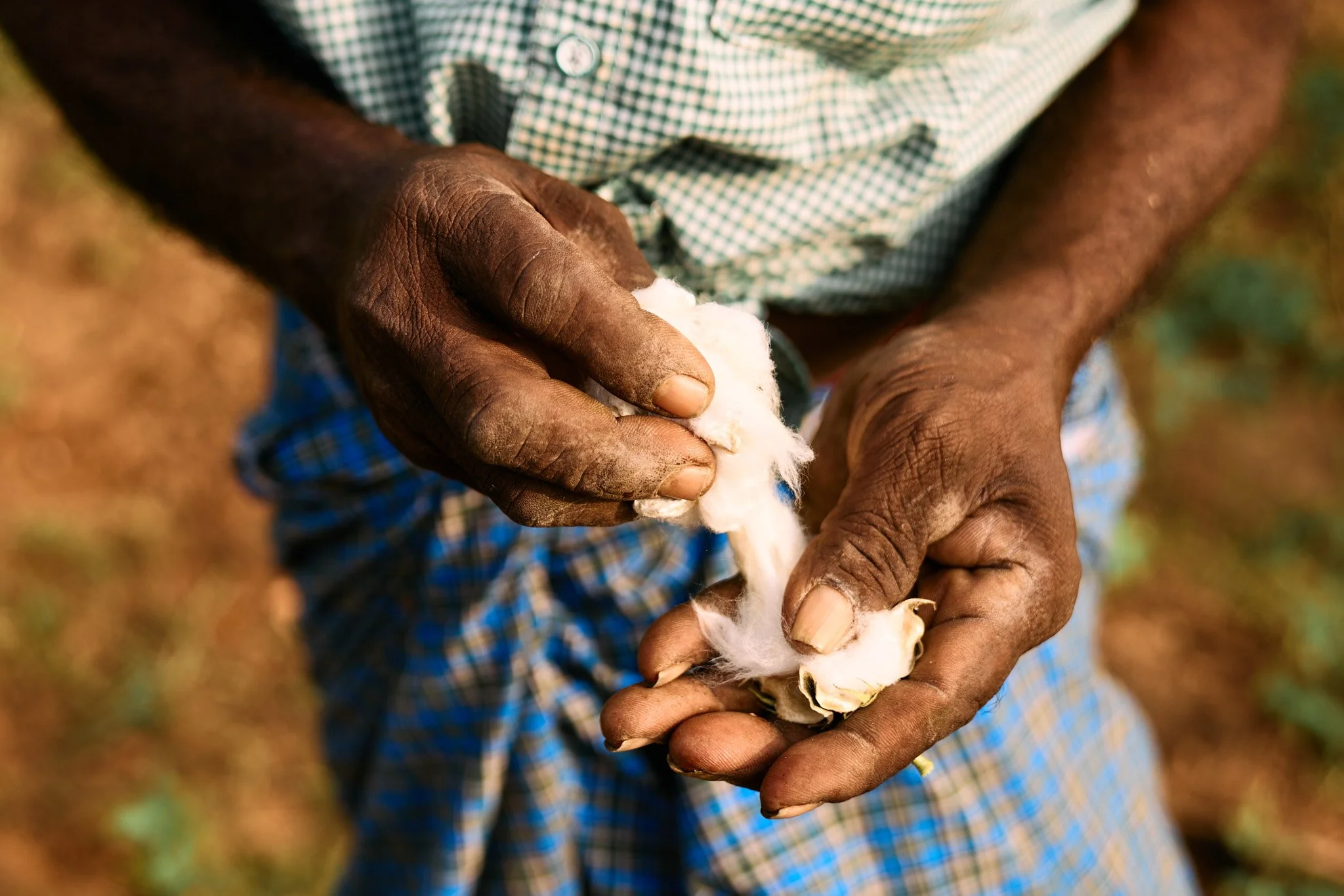
Kuppuswami inspecting the cotton fibre. Organic cotton farmers in South India are reviving ancient, indigenous (desi) cotton varieties like Kala cotton and Gossypium herbaceum, which are deeply rooted in local agrarian traditions and offer superior r

Kuppuswami inspecting the cotton fibre. Organic cotton farmers in South India are reviving ancient, indigenous (desi) cotton varieties like Kala cotton and Gossypium herbaceum, which are deeply rooted in local agrarian traditions and offer superior resilience.
13 ACS08634.jpg
Christy Dawn 120 AC_00929.jpg
18 CD 920 AC_00478.jpg
16 CD 121AC_01743.jpg
CD 422 ACS02413.jpg
21 CD 921 ACS04508.jpg
20 Christy Dawn 120 AC_00988.jpg
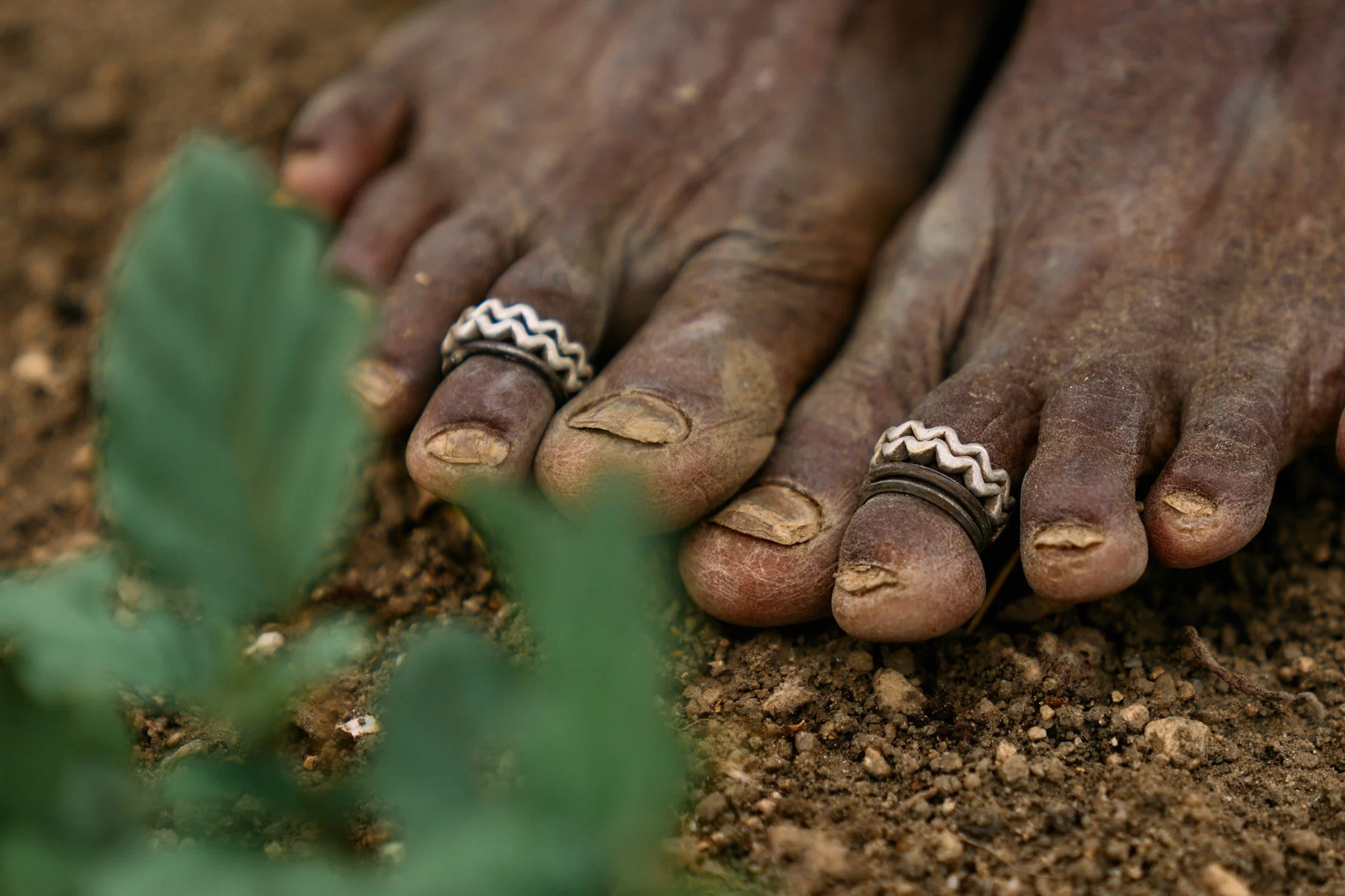
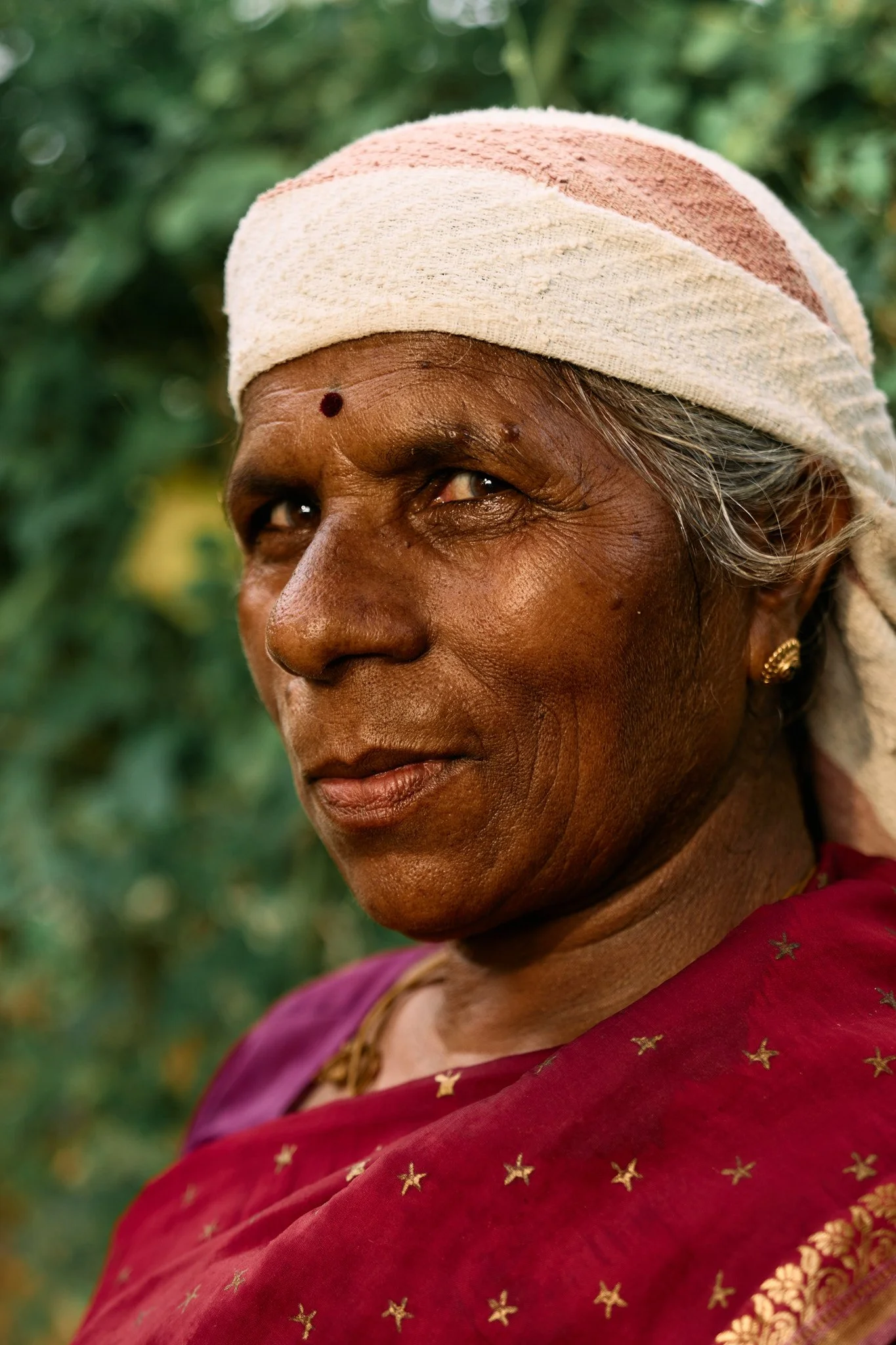
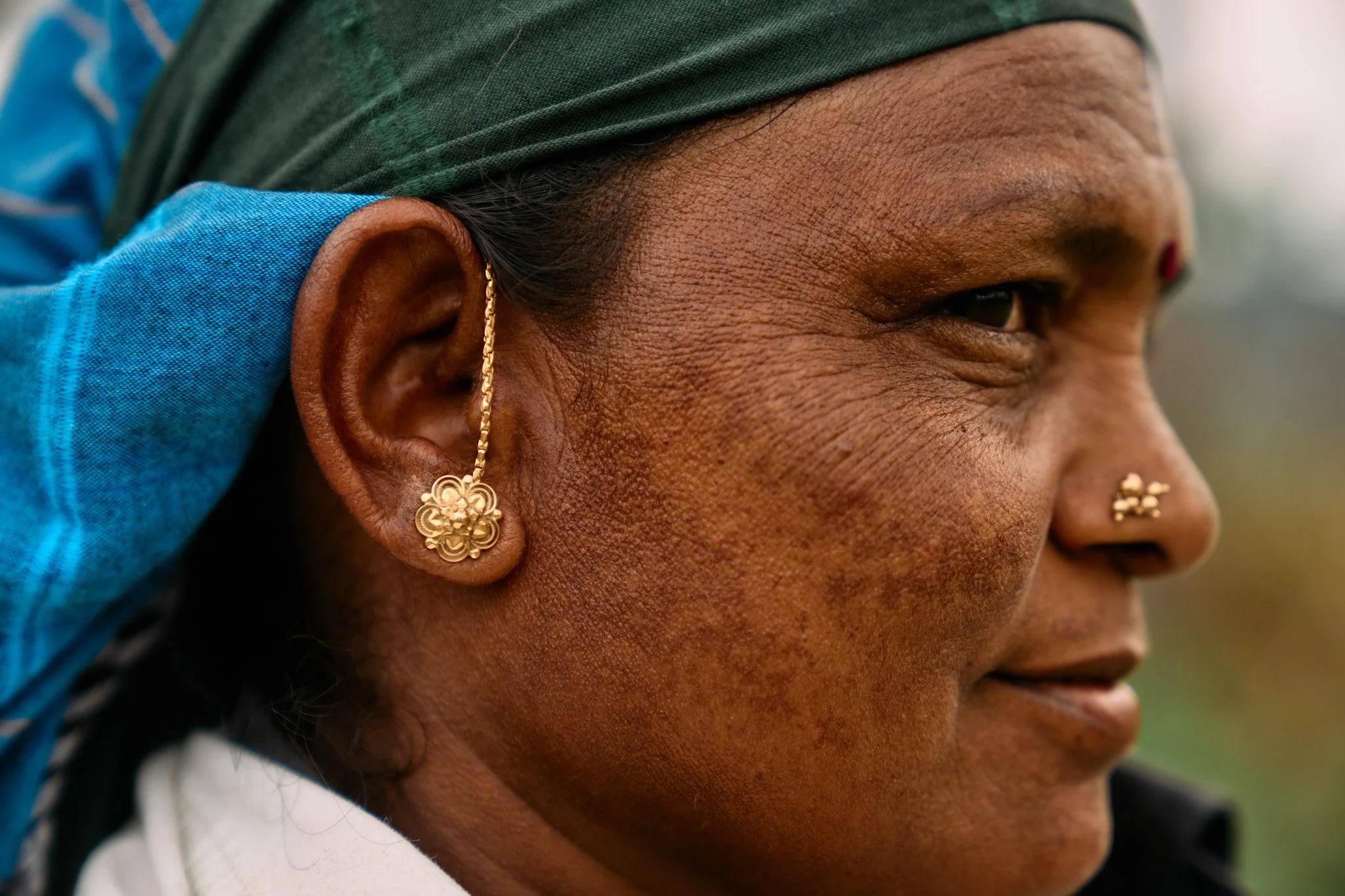
Traditional ear and nose ornament on a farmer in Tamil Nadu.
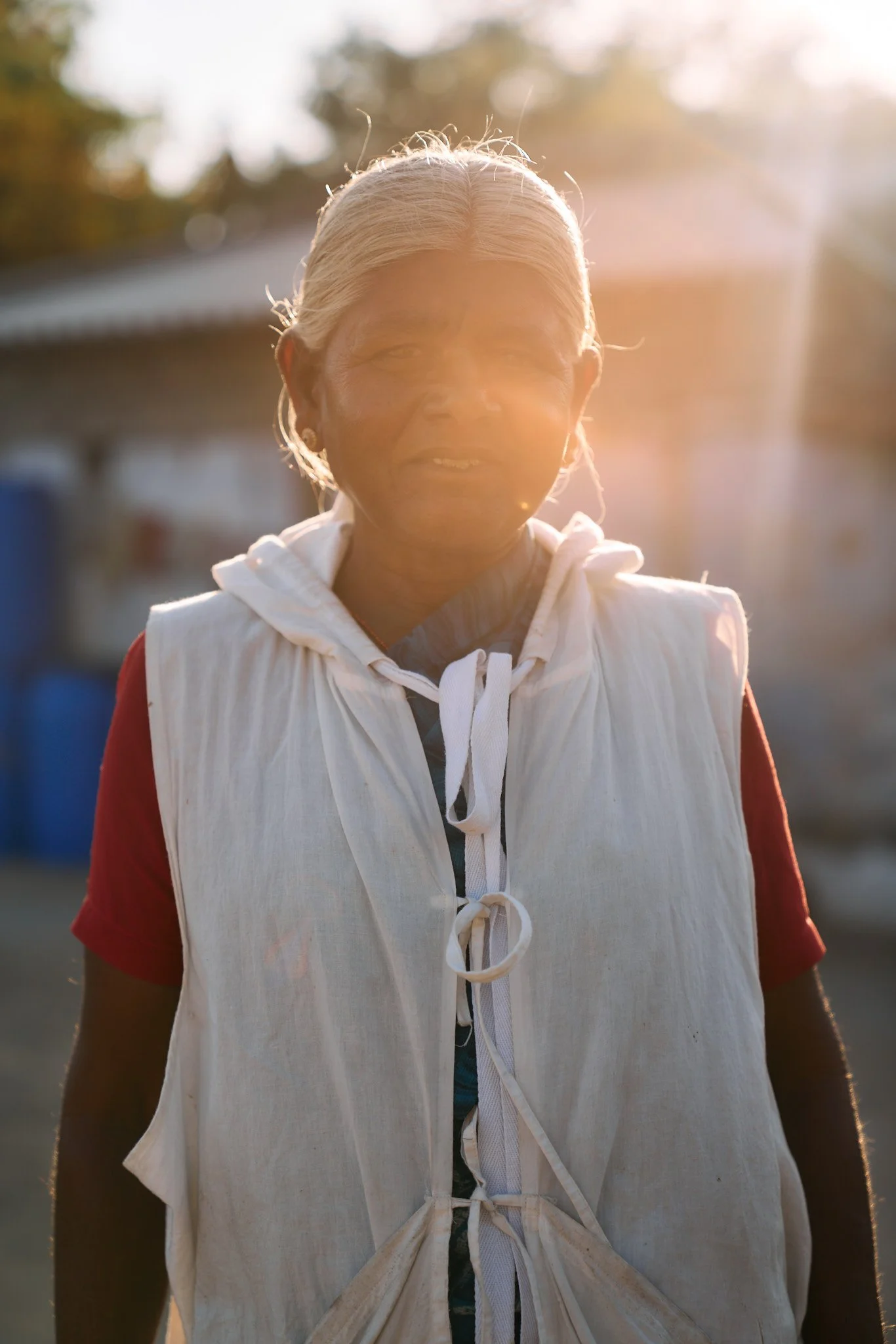
Traditional ear and nose ornament on a farmer in Tamil Nadu.
Christy Dawn 120 AC_00816.jpg
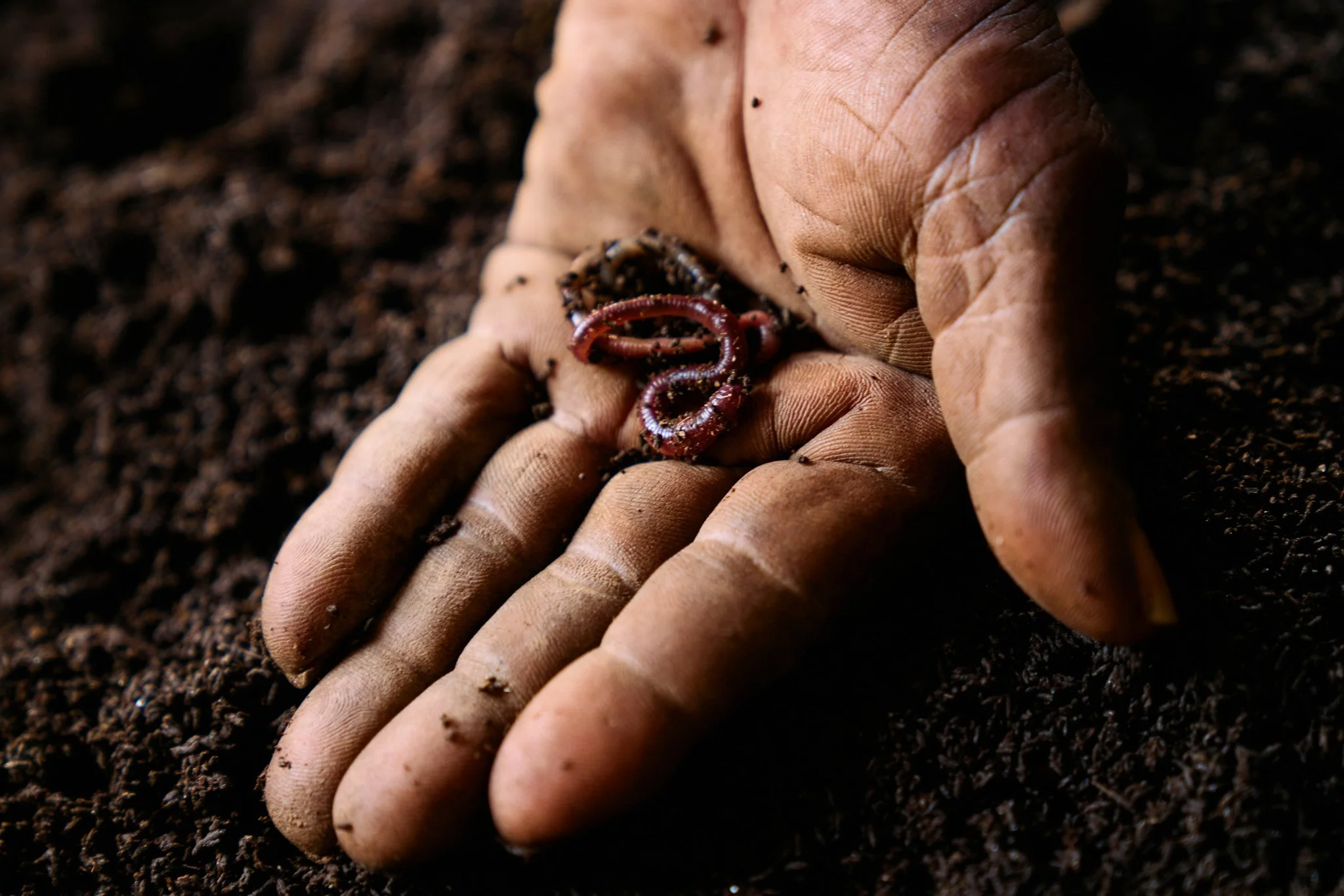
Earthworms are crucial to organic cotton farming, acting as "ecosystem engineers" that boost soil health, fertility, and structure by converting organic matter into nutrient-dense vermicompost.
Earthworms are crucial to organic cotton farming, acting as "ecosystem engineers" that boost soil health, fertility, and structure by converting organic matter into nutrient-dense vermicompost.
17 CD 121AC_00287.jpg
14 Christy Dawn 120 AC_01060.jpg
23 Christy Dawn 1019 AC_05938.jpg
24 Christy Dawn 1019 AC_05959.jpg
28 Christy Dawn 1019 AC_05999.jpg
26 Christy Dawn 120 AC_01053.jpg
29 Christy Dawn 1019 AC_05909.jpg
17 CD 819 AC_07055.jpg
18 CD 120 AC_02705.jpg
22 Christy Dawn 1019 AC_05926.jpg
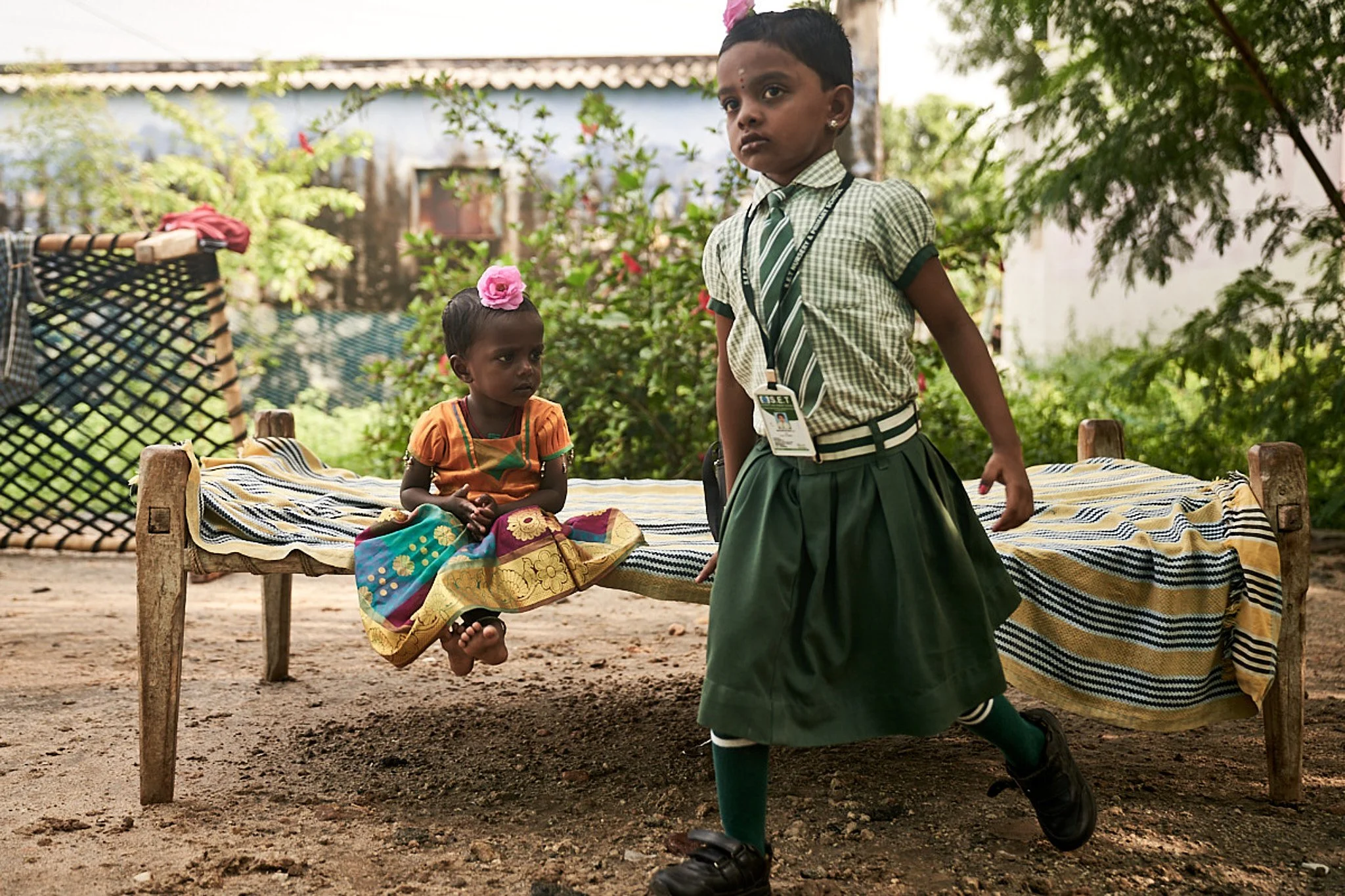
Children getting ready for school.  According to the latest Child Labour: Global estimates 2020, the agriculture sector accounts for 70 per cent of children in child labour.
Children getting ready for school. According to the latest Child Labour: Global estimates 2020, the agriculture sector accounts for 70 per cent of children in child labour.
27 Christy Dawn 1019 AC_05870.jpg
22 Christy Dawn 1019 AC_05743.jpg
CD 921 ACS04505.jpg
31 CD 121AC_01820.jpg
ACS08199.jpg
23 CD 921 ACS05497.jpg
25 Christy Dawn 1219 AC_03175.jpg
ACS08732.jpg